
Getting paid is arguably the best part of any job. You see that direct deposit hit your bank account, and suddenly all those early mornings and late nights feel worth it. But alongside that notification often comes a document that many of us just file away without a second glance: the salary slip. While it might look like a boring sheet of numbers, understanding the Salary Slip Format is actually incredibly important for your financial health.
Whether you are an employee trying to decipher why your take-home pay is different from your gross salary, or a small business owner figuring out how to pay your team correctly, the layout of this document matters. A clear slip prevents confusion, ensures taxes are paid correctly, and serves as vital proof of income when you want to rent an apartment or buy a car.
In this guide, we are going to break down everything you need to know about salary slips. We will look at what they are, why the format matters, and walk you through every single line item so you never have to wonder where your money went again. Let’s dive in!
Key Takeaways
- A salary slip serves as legal proof of employment and income.
- Understanding deductions is key to managing your net pay effectively.
- Employers must adhere to specific formats to ensure compliance with US labor laws.
- Digital payslips are becoming the standard due to convenience and environmental benefits.
- Proper documentation helps significantly during tax season and loan applications.
What Is a Salary Slip and Why Does It Matter?
At its simplest level, a salary slip (often called a pay stub or payslip in the US) is a document issued by an employer to an employee. It provides a detailed breakdown of the employee’s earnings and deductions for a specific pay period. But it is much more than just a receipt for your work; it is a legal record.
When you look at a proper salary slip format, you are looking at the story of your employment for that month or week. It tells you exactly how many hours you worked, what rate you were paid, and crucially, what happened to the money that you didn’t take home. This document bridges the gap between your offer letter—which states your gross annual salary—and the actual cash that lands in your checking account.
For employers, providing a salary slip isn’t just a nice gesture; in many states, it is a legal requirement. It provides transparency and builds trust. If an employee feels shortchanged, the salary slip is the first place they will look to verify the math. A confusing or messy format can lead to mistrust and disputes, which is why getting the structure right is so essential.
Detailed Breakdown: The Anatomy of a Salary Slip
To truly understand your pay, you need to understand the individual pieces that make up the whole. A standard salary slip format is divided into distinct sections. Generally, you will see a header with company and employee details, followed by earnings, deductions, and finally, the net pay.
Think of it like a math equation. You start with the big number (Gross Pay), subtract the necessary evils (Taxes and Deductions), and end up with your reward (Net Pay). If any piece of this equation is missing or unclear, the final result won’t make sense. This is why standardized formats are so popular—they keep things consistent.
Most slips will also include year-to-date (YTD) totals. These are incredibly helpful for tracking your annual income and anticipating your tax liability. Seeing your YTD numbers grow is also a great motivator—it reminds you of how much value you have created over the year, even if your monthly check feels standard.
Essential Components of a Standard Salary Slip Format
When you examine a salary slip format, you will typically find three main categories of information. Let’s break these down so you know exactly what to look for.
1. Basic Information
This is the “who, what, and when” section. It usually sits at the very top of the document. It must include the legal name of the employer and the employee. It should also list the pay period (e.g., Jan 1 – Jan 15) and the actual pay date. Some formats also include an employee ID number or department code to help HR keep track of records.
2. Earnings (Gross Pay)
This is the fun part. The earnings section lists every source of income for that period.
- Basic Salary/Hourly Wages: This is your core pay. If you are hourly, it should show the number of hours worked multiplied by your hourly rate.
- Overtime: If you worked more than 40 hours, this line shows those extra hours, usually paid at time-and-a-half.
- Bonuses: Any performance bonuses, holiday bonuses, or commission will be listed here.
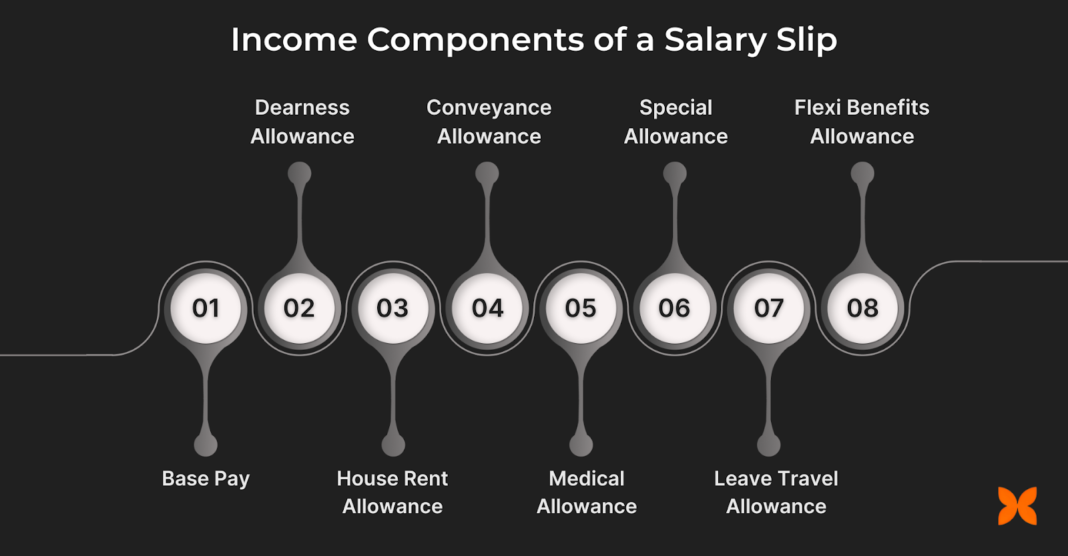
- Allowances: Some jobs provide allowances for things like housing, transport, or meals.
3. Deductions
This is the part that often hurts, but it is necessary. Deductions are subtracted from your gross pay.
- Taxes: This includes Federal Income Tax, State Income Tax, and sometimes Local Tax.
- FICA: This stands for the Federal Insurance Contributions Act and includes Social Security and Medicare taxes.
- Benefits: If you pay for health insurance, dental, or vision through your employer, those premiums come out here.
- Retirement: Contributions to 401(k) or other retirement plans.
4. Net Pay
This is the bottom line. Net pay is what is actually deposited into your account. It is your Gross Pay minus Total Deductions.
Why Understanding the Salary Slip Format Is Crucial
You might think, “As long as the money is in the bank, why do I care about the paper?” That is a dangerous mindset. Understanding the salary slip format is crucial for your financial literacy. First, mistakes happen. Payroll departments are run by humans (or software configured by humans), and errors can occur. If you don’t check your slip, you might be underpaid without realizing it.
Secondly, this document is your proof of income. If you want to buy a house, the bank will ask for your last two or three months of pay stubs. They want to see consistent income. If your slip is missing information or looks unprofessional, it can delay your loan approval. It proves you are gainfully employed and capable of repaying debts.
Finally, it helps you plan for the future. By seeing exactly how much goes into taxes and retirement, you can adjust your budget. Maybe you realize you can afford to contribute more to your 401(k), or maybe you notice your tax withholding is too high and you are giving the government an interest-free loan. You can’t make these decisions without reading the data.
Step-by-Step Guide: How to Read a Salary Slip
Reading a salary slip doesn’t have to be like reading a foreign language. Start at the top and work your way down. First, check the personal details. Is your name spelled correctly? Is your address current? An incorrect address can cause issues with your W-2 form at tax time. Next, look at the pay period dates. Ensure you are being paid for the correct two weeks or month.
Move to the earnings section. If you are an hourly worker, double-check your hours. Did you work 42 hours but only get paid for 40? This is the most common area for errors. If you are salaried, ensure the gross amount matches your annual salary divided by the number of pay periods (usually 24 or 26).
Finally, scan the deductions. Are your tax withholdings consistent with previous checks? Did your health insurance premium change unexpectedly? If you see a deduction you don’t recognize, ask your HR department immediately. It is better to ask a simple question now than to try to recover lost money months later.
Common Salary Slip Formats in the United States
In the US, there isn’t one single “law” that dictates exactly what the piece of paper must look like, but there are common standards. The most frequent salary slip format is the tabular style. This uses clear columns and rows to separate Earnings, Taxes, and Deductions. It is clean, easy to read, and universally accepted by banks and lenders.
Another common format is the “statement” style, which looks more like a letter or a bank statement. This is less common for standard payroll but might be used for contract work or commission-based roles. It lists line items in a vertical list rather than side-by-side columns.
Regardless of the visual style, the content remains largely the same because federal and state laws require specific data points to be present. The focus is always on clarity. If a format is too “creative” or artistic, it often becomes hard to read, which defeats the purpose.
Sample Salary Slip Format Table
Below is a simplified example of what a standard tabular salary slip format looks like.
|
Company Name: ABC Corp |
Employee Name: John Doe |
|---|---|
|
Pay Period: Jan 1 – Jan 15, 2026 |
Employee ID: 12345 |
|
Pay Date: Jan 20, 2026 |
Check Number: 987654 |
|
EARNINGS |
AMOUNT |
|
Basic Salary |
$2,500.00 |
|
Overtime (5 hours) |
$200.00 |
|
Housing Allowance |
$300.00 |
|
Total Earnings (Gross Pay) |
$3,000.00 |
|
DEDUCTIONS |
AMOUNT |
|
Federal Income Tax |
$350.00 |
|
Social Security Tax |
$186.00 |
|
Medicare Tax |
$43.50 |
|
Health Insurance |
$100.00 |
|
401(k) Contribution |
$150.00 |
|
Total Deductions |
$829.50 |
|
NET PAY |
$2,170.50 |
Benefits of Having a Clear Salary Slip Format
A clear, well-structured salary slip format benefits everyone involved. For the employee, it provides peace of mind. Knowing exactly how your pay was calculated builds trust in your employer. It removes the mystery from the process. When employees understand their compensation package—including the “invisible” money going to benefits and taxes—they often feel more valued.
For the employer, a standardized format reduces administrative headaches. When the slip is easy to read, HR spends less time answering questions like “Why is my check smaller this week?” It streamlines the payroll process and makes auditing much easier. If the IRS ever comes knocking, having clear, consistent records is a lifesaver.
Furthermore, a professional format enhances the company’s brand image. It shows that the business is organized, professional, and compliant with the law. It signals to employees that the company takes their livelihood seriously.
How Employers Can Create an Effective Salary Slip Format
If you are a business owner, creating a good salary slip format is easier than you think. You don’t need to be a graphic designer. Most accounting software (like QuickBooks, Gusto, or ADP) comes with pre-built templates that are legally compliant and look professional. However, if you are creating one manually or customizing a template, keep a few things in mind.
First, prioritize readability. Use a standard font like Arial or Times New Roman. Ensure there is enough white space so the numbers don’t look crowded. Use bold text for important totals like Gross Pay and Net Pay.
Second, include all mandatory information. Check your state’s labor laws to see if there are specific requirements, like listing accrued sick leave or vacation time. Many states require employers to show available Paid Time Off (PTO) directly on the pay stub.
Lastly, be consistent. Once you choose a format, stick with it. Changing the layout every month will confuse your employees and make record-keeping difficult.
Digital vs. Paper Salary Slips: Which is Better?
The debate between paper and digital is largely being won by digital. Digital salary slips (e-pay stubs) are secure, eco-friendly, and cost-effective. Employees can access them 24/7 through an online portal, meaning they never have to worry about losing a piece of paper. They can easily download PDFs for loan applications or tax filing.
However, some employees still prefer paper. For workers who aren’t comfortable with computers or don’t have reliable internet access, a physical piece of paper is tangible proof of their hard work. In some states, you must offer a paper option if the employee requests it.
Ultimately, the best salary slip format is the one that reaches the employee securely and accurately. For most modern businesses, a digital portal with a printable PDF option is the gold standard.
Legal Requirements for Salary Slips in the US
The United States has a mix of federal and state laws regarding pay stubs. Surprisingly, the Fair Labor Standards Act (FLSA)—the main federal law covering wages—does not require employers to provide pay stubs. However, it does require employers to keep accurate records of hours worked and wages paid.
Because federal law is silent on the actual slip, state laws take over. Most states fall into one of three categories:
- “Access” States: Employers must provide a pay stub (either paper or electronic).
- “Access/Print” States: Employers can provide electronic stubs, but employees must be able to print them easily.
- “Opt-out” or “Opt-in” States: Rules vary on whether employees have to agree to receive digital stubs.
Regardless of the specific state mandate, almost all states require that if a stub is provided, it must show deductions. You cannot just hand someone cash and say “taxes are taken out” without showing the math. This legal landscape is why using a compliant salary slip format is so important for avoiding lawsuits and fines.
How Salary Slips Help in Tax Filing
April 15th is a stressful date for many, but your salary slips can make it easier. While you will eventually receive a W-2 form from your employer that summarizes your yearly earnings, your salary slips are your backup data.
If you notice a discrepancy on your W-2, your monthly slips are the proof you need to get it corrected. They allow you to track your tax payments throughout the year. If you realize in October that you aren’t paying enough tax, you can adjust your W-4 form to avoid a huge bill in April.
Additionally, checking your salary slip format helps you verify that pre-tax deductions are being handled correctly. Things like 401(k) contributions and health savings account (HSA) funds should be deducted before taxes are calculated, lowering your taxable income. Your slip confirms this is happening.
Salary Slip Format for Freelancers and Contractors
Gig workers and freelancers don’t typically receive a “salary slip” in the traditional sense because they aren’t employees. They receive payments based on invoices. However, if you are a freelancer, you should create your own records that function similarly.
When you invoice a client, your invoice acts as the earnings section. When you get paid, you should set aside money for taxes yourself. Creating a “self-generated” pay stub for your own records helps you stay organized.
If you are a contractor paid through a platform or agency, you might receive a “Remittance Advice” or “Statement of Earnings.” The salary slip format for contractors is simpler. It usually just shows the service provided and the gross fee. No taxes are deducted because contractors are responsible for their own taxes. Understanding this distinction is vital so you don’t spend your “tax money” thinking it is “net pay.”
Common Mistakes to Avoid in Salary Slips
Even with software, mistakes happen. Here are common pitfalls to watch out for:
- Incorrect Tax Codes: Using the wrong tax bracket or marital status can lead to incorrect withholding.
- Miscalculating Overtime: Failing to apply the correct multiplier (usually 1.5x) for hours over 40.
- Missing YTD Totals: Year-to-date numbers are essential for tracking annual progress; omitting them is a major formatting error.
- Ignoring State Specifics: Some states require sick leave balances to be shown. Using a generic template might miss this legal requirement.
- Cluttered Layout: Trying to cram too much info into a small space makes the slip unreadable.
If you spot any of these in your salary slip format, address them immediately. Small math errors compound over time into large financial headaches.
Frequently Asked Questions (FAQs)
Q1: Is an employer required to give me a salary slip?
In most US states, yes. While federal law doesn’t mandate it, the vast majority of states have laws requiring employers to provide a statement of earnings and deductions.
Q2: Can I use a salary slip as proof of address?
Yes, often. Because a valid salary slip format includes your home address, many banks and government agencies accept a recent pay stub (usually dated within the last 3 months) as proof of residence.
Q3: How long should I keep my salary slips?
It is recommended to keep your pay stubs for at least one year until you receive your W-2 and verify it matches. After you file your taxes and they are accepted, you can usually shred the monthly stubs, but keep the W-2s indefinitely.
Q4: What if my salary slip has an error?
Contact your payroll or HR department immediately. They can issue a correction in the next pay cycle. Do not wait until the end of the year to fix it.
Q5: Are handwritten salary slips legal?
Technically, yes, as long as they contain all the required information and are legible. However, they are unprofessional and prone to errors. Printed or digital formats are strongly preferred.
Q6: What does YTD mean on my slip?
YTD stands for “Year-to-Date.” It shows the total amount you have earned or the total amount deducted from the beginning of the calendar year up to the current pay period.
Conclusion
The humble salary slip is a powerful document. It is the scorecard of your professional life and the roadmap for your financial future. Whether you are an employee checking your overtime or an employer setting up payroll for the first time, getting the salary slip format right is non-negotiable. It ensures transparency, compliance, and trust.
By understanding the components—from gross pay to those pesky deductions—you empower yourself to manage your money better. You ensure that every hour you worked is accounted for and that your taxes are on track. So, the next time pay day rolls around, don’t just check the bank balance. Open that PDF or envelope, review the format, and verify the details. Your bank account (and your future self) will thank you.
For more insights on managing finances and understanding employment documents, check out more resources at https://britishnewz.co.uk/. Staying informed is the best investment you can make. Also, for a deeper dive into the history of payroll and labor laws, you can visit https://www.wikipedia.org/.