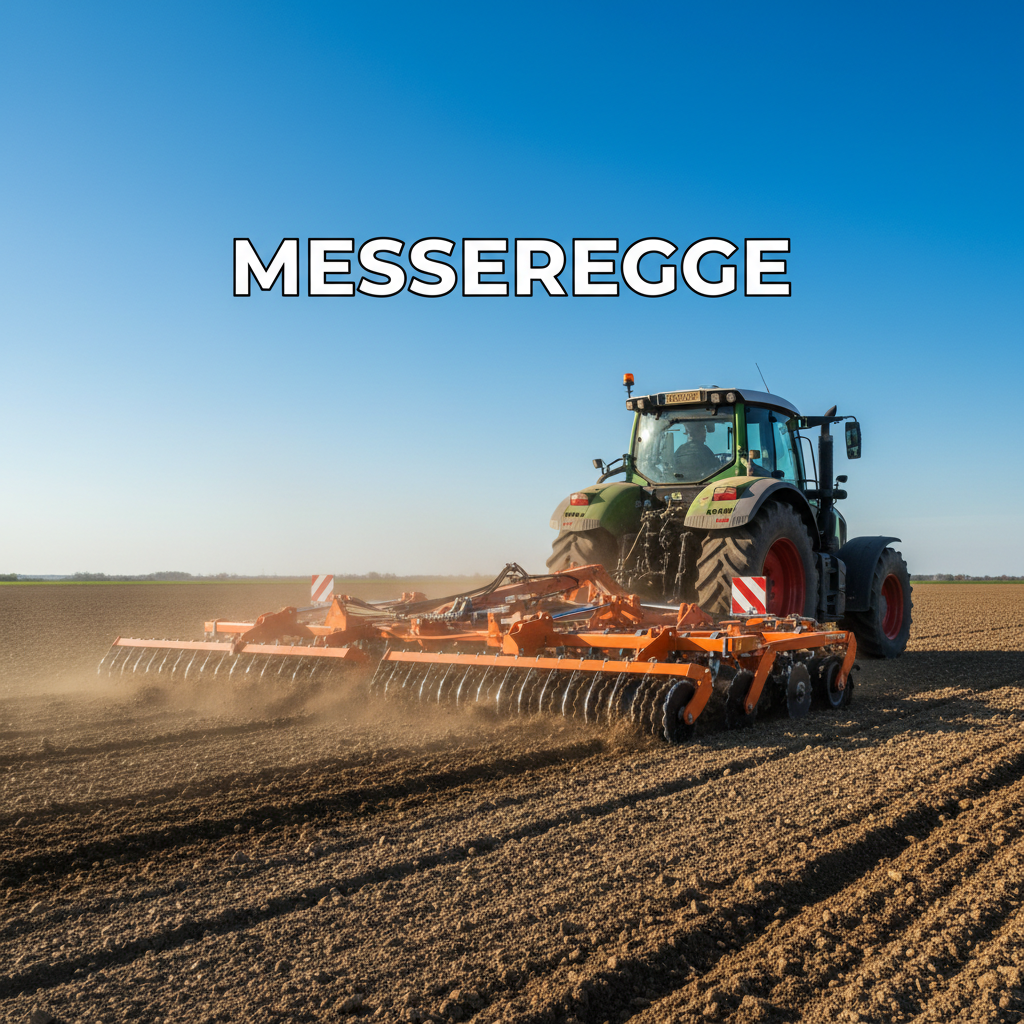

Have you ever wondered how farmers create the perfect environment for seeds to grow into healthy, strong plants? A lot of it comes down to preparing the soil, and one of the most interesting tools they use is the messeregge. This specialized piece of equipment plays a huge role in modern farming, helping to ensure that every seed has the best possible start in life. It’s a fascinating blend of simple design and effective engineering that has transformed how we approach soil preparation.
This guide will walk you through everything you need to know about the messeregge. We will explore what it is, how it works, and why it has become so important in agriculture. Whether you are a farming enthusiast, a student of agriculture, or just curious about the tools that help feed the world, you’ll find a wealth of information here. Let’s dig in and uncover the secrets of this remarkable tool.
Key Takeaways
- A messeregge is a specialized agricultural tool used for preparing a fine and even seedbed.
- It works by breaking down large soil clumps and creating a uniform texture, which is ideal for seed germination.
- Using a messeregge leads to better water management, improved seed-to-soil contact, and higher crop yields.
- Different types of messeregge exist to suit various soil conditions and farming needs.
- Proper maintenance is crucial for the longevity and effectiveness of the tool.
What Exactly Is a Messeregge?
At its core, a messeregge is a soil cultivation implement designed for secondary tillage. Think of tillage in two steps. Primary tillage is the first, deep pass that breaks up compacted ground after a harvest. Secondary tillage, where the messeregge shines, is the next step. It involves refining the soil, breaking down large clods left by the primary plow, and creating a fine, smooth, and level surface perfect for planting. It’s all about creating an ideal home for seeds to sprout and thrive.
Imagine trying to plant tiny seeds in a field full of hard, chunky soil. The seeds would have a tough time finding good contact with the earth, getting enough moisture, and pushing their roots down. The messeregge solves this problem by creating what farmers call a “fine tilth.” This means the soil has a crumbly, granular texture that allows for excellent air and water movement, which is exactly what young plants need to grow strong and healthy from the very beginning.
The History and Evolution of the Messeregge
The concept behind the messeregge isn’t new. For centuries, farmers have understood the importance of a well-prepared seedbed. Early tools were simple, often animal-drawn harrows or rakes that did the job with a lot of manual labor. However, as agriculture became more mechanized during the 20th century, the need for more efficient and precise tools grew. This led to the development of modern tillage equipment, including the sophisticated messeregge we see today.
Early versions were straightforward mechanical implements, but today’s models incorporate advanced engineering. Modern messeregge units can feature hydraulic controls for depth adjustment, various tine and blade configurations for different soil types, and can be combined with other tools like rollers and packers to perform multiple tasks in a single pass. This evolution reflects the broader trend in agriculture toward efficiency, precision, and sustainability. The goal remains the same: create the perfect seedbed, but do it faster and more effectively than ever before.
How a Messeregge Works: The Mechanics of Soil Preparation
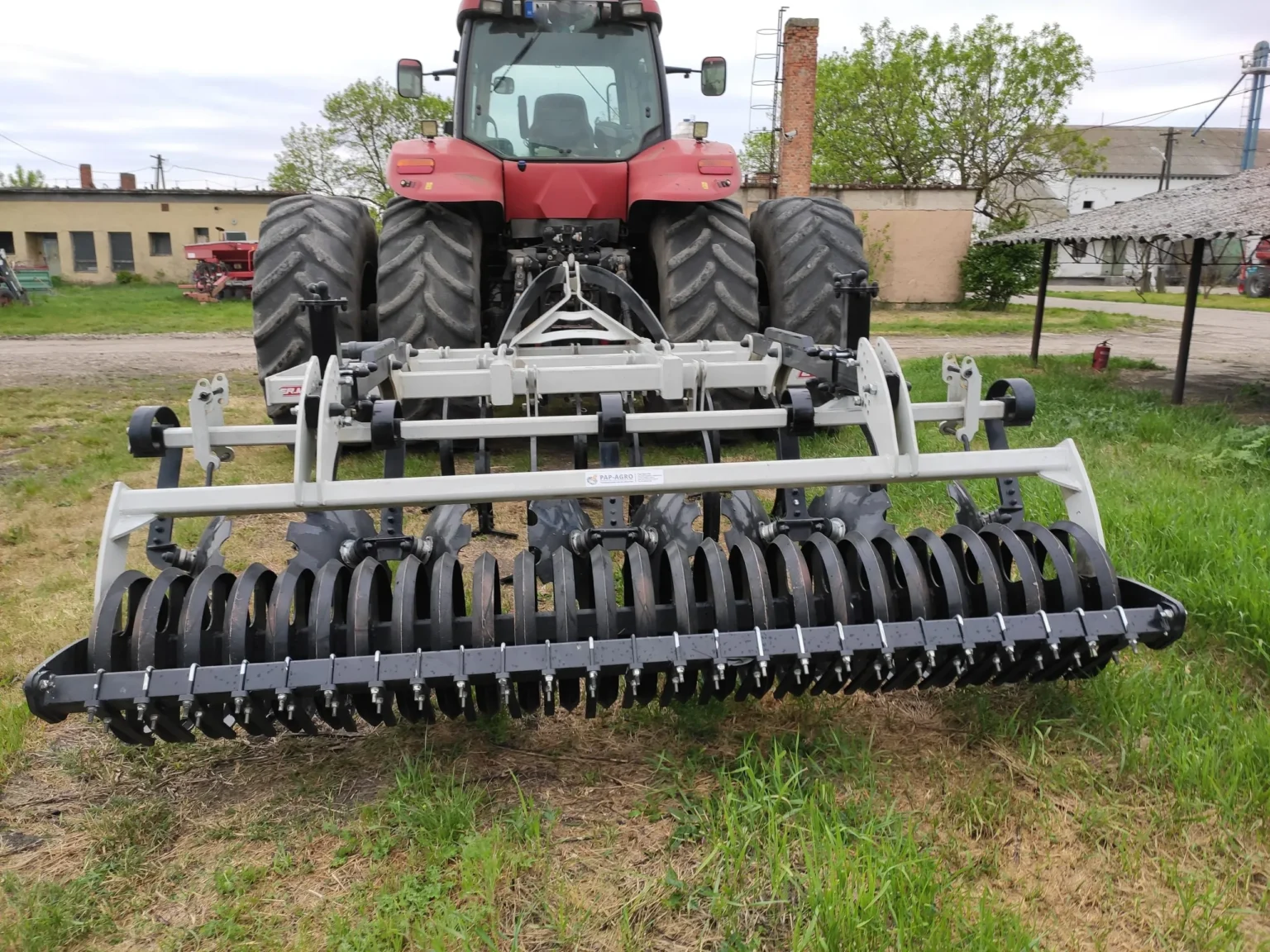
Understanding how a messeregge works is key to appreciating its value. It’s not just about dragging something through the dirt; it’s a carefully designed process. The tool typically consists of a frame fitted with a series of tines, blades, or discs. As the tractor pulls the messeregge across the field, these components engage with the soil. They are designed to cut, lift, turn, and crumble the soil without going too deep.
The action is less aggressive than a primary plow. Instead of inverting large layers of soil, the messeregge works in the top few inches. It breaks apart large clumps of earth, eliminates air pockets that can dry out seeds, and levels the surface of the field. Many models also have a rolling basket or packer at the rear. This finishing tool lightly firms the soil after the tines have done their work, ensuring excellent seed-to-soil contact and preventing the topsoil from blowing or washing away. The result is a seedbed that is uniform in texture and density, which is critical for consistent crop emergence.
The Main Benefits of Using a Messeregge in Modern Farming
Farmers invest in tools like the messeregge for one simple reason: they deliver results. The advantages of using this implement are numerous and have a direct impact on a farm’s productivity and profitability. From improving soil health to boosting crop yields, the benefits are clear.
Improved Seed Germination
The primary benefit is creating the ideal conditions for seeds to sprout. A fine, level seedbed ensures that every seed is planted at a consistent depth and has good contact with moist soil. This leads to uniform germination, meaning all the plants emerge from the ground around the same time. This consistency is vital for managing the crop effectively through its growth cycle, from fertilization to harvest. When plants grow uniformly, they compete less with each other for resources and are easier to manage.
Better Water Management
A field prepared with a messeregge handles water more effectively. The fine, crumbly soil structure allows water from rain or irrigation to soak in evenly rather than running off the surface. This reduces soil erosion and ensures that moisture is available to the plant roots where it’s needed most. Additionally, breaking up surface crusts helps to reduce evaporation, conserving precious water in the soil. In both dry and wet climates, this improved water management is a significant advantage for crop health and resilience.
Enhanced Weed Control
Using a messeregge can also be an effective part of a weed control strategy. The tillage action uproots and buries young weed seedlings that may have sprouted after primary tillage. By creating a clean seedbed, the crop gets a head start without early competition from weeds for sunlight, water, and nutrients. While it won’t eliminate all weeds, it significantly reduces the initial weed pressure, which can lower the need for herbicides and contribute to a more sustainable farming operation.
Increased Operational Efficiency
Modern farming is all about efficiency. Many messeregge models are designed to be used in combination with other implements. For example, a farmer might attach a seeder directly behind the messeregge. This allows for tilling and planting in a single pass across the field, saving time, fuel, and labor. Reducing the number of times a tractor has to drive over a field also decreases soil compaction, which is beneficial for root growth and overall soil health.
Different Types of Messeregge for Various Needs
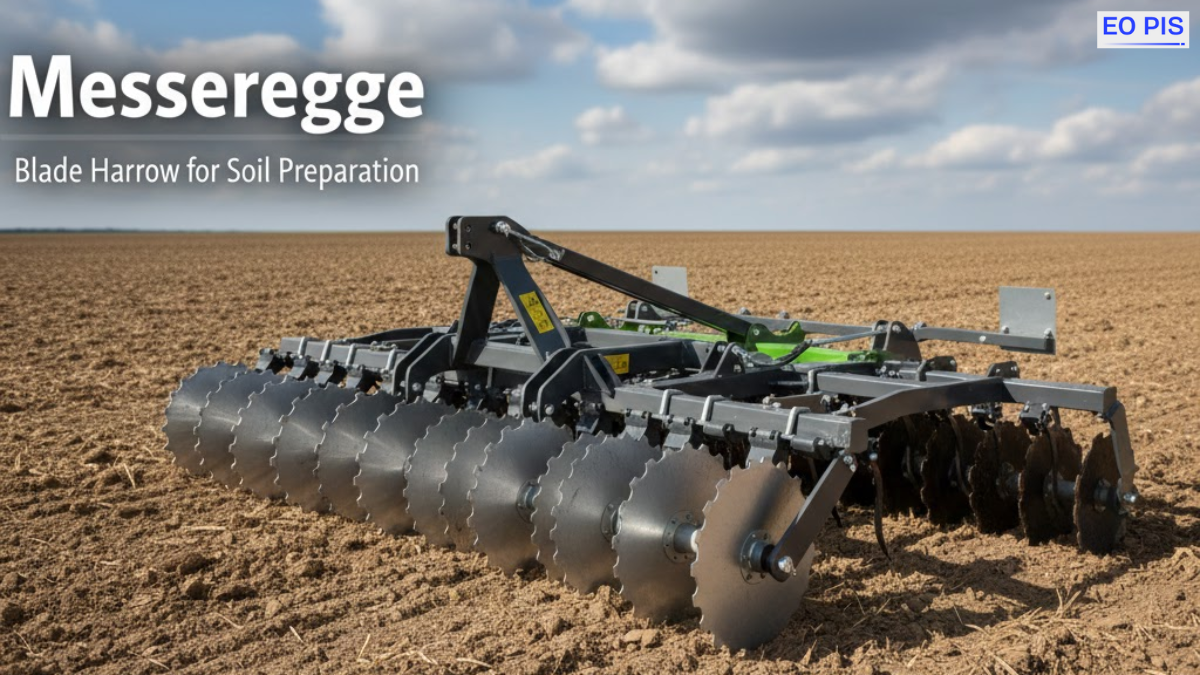
Not all farms or fields are the same, and the messeregge comes in different forms to handle diverse conditions. The main variations relate to the type of soil-engaging tools used, such as tines, discs, or blades. The choice depends on the soil type, the amount of crop residue on the surface, and the farmer’s specific goals.
Tine-Based Messeregge
This is a very common type. It uses a series of flexible or rigid tines to stir and level the soil.
- S-Tine Cultivators: These have flexible, S-shaped tines that vibrate as they move through the soil. This action is excellent for breaking up clods and preparing a fine seedbed in light to medium soils.
- Spring-Tine Harrows: These use lighter, more flexible tines and are great for final leveling and breaking up any surface crusting right before planting. They are less aggressive and work at shallower depths.
Disc-Based Messeregge
Instead of tines, these implements use rows of concave discs. The discs are set at an angle to slice through the soil and crop residue. A disc messeregge is often preferred in fields with a lot of leftover plant material from the previous crop, as the discs can cut through it without getting clogged. They are also effective in heavier, stickier clay soils where tines might struggle. The angled discs also help to mix the top layer of soil, which can be useful for incorporating granular fertilizers.
Power-Driven Messeregge (Power Harrows)
For the toughest conditions, farmers might turn to a power-driven messeregge, often called a power harrow. These are powered by the tractor’s PTO (Power Take-Off) shaft. They have vertical tines that rotate to actively churn and pulverize the soil. This provides a very intense and fine tillage, capable of turning even hard, cloddy ground into a perfect seedbed in one pass. While highly effective, they require more power, are more complex, and are typically more expensive than their non-powered counterparts.
Choosing the Right Messeregge for Your Farm
Selecting the right messeregge is a critical decision for a farmer. Several factors must be considered to ensure the investment pays off.
|
Factor to Consider |
Description |
Why It Matters |
|---|---|---|
|
Soil Type |
Is the soil sandy, loamy, or heavy clay? |
Lighter, tine-based models work well in sandy soils, while heavier soils may require disc or power-driven units. |
|
Residue Levels |
How much crop residue is left in the field? |
High residue can clog tines. Disc-based messeregge models are better at cutting through stalks and leaves. |
|
Tractor Power |
What is the horsepower of the available tractor? |
Larger and power-driven messeregge models require more powerful tractors to operate them effectively. |
|
Farming System |
Is the farm conventional, no-till, or conservation tillage? |
The type of messeregge must align with the overall tillage philosophy to maintain soil health goals. |
|
Acreage |
How large is the area to be worked? |
Wider implements cover more ground faster but require more power and are less maneuverable in small fields. |
Considering these factors helps a farmer choose a messeregge that is not only effective but also efficient and cost-effective for their specific operation.
Maintenance and Care for a Long-Lasting Messeregge
Like any piece of farm machinery, a messeregge requires regular maintenance to perform at its best and last for many seasons. Neglecting maintenance can lead to poor performance, costly breakdowns during critical planting windows, and a shorter lifespan for the equipment. Proper care involves a routine of inspection and service.
Before each use, a quick walk-around inspection is essential. The operator should check for loose bolts, damaged tines or discs, and worn-out bearings. Tines and blades, which are the “business end” of the tool, wear down over time and may need to be replaced to maintain performance. It is important that all tines are worn evenly to ensure the field is left level.
After the planting season is over, a more thorough cleaning and servicing should be done. Dirt and crop residue should be washed off to prevent rust. Greasing all lubrication points is crucial to protect bearings and moving parts during storage. For power-driven models, this is also the time to check the gearbox oil. Storing the messeregge inside a shed or barn, protected from the elements, will dramatically extend its life. This kind of diligent upkeep, as covered in some farming news like that found on britishnewz.co.uk, ensures the tool is always ready to go when needed.
The Future of Soil Cultivation and the Role of the Messeregge
The future of agriculture is being shaped by technology and a growing focus on sustainability. Precision agriculture, which uses data from GPS, drones, and sensors, is becoming more common. In this context, the messeregge is also getting smarter. We are seeing the development of “smart” implements that can automatically adjust their working depth or intensity based on soil sensor data as they move across a field. This allows for customized tillage, applying more aggressive action only where needed and leaving other areas less disturbed.
Furthermore, as farmers adopt conservation tillage practices to improve soil health and reduce erosion, the design of the messeregge continues to adapt. New models are being developed that can prepare a seedbed while leaving more crop residue on the surface to protect the soil. This balance between creating a good seedbed and conserving soil structure is the next frontier in tillage technology. The humble messeregge, in its evolving forms, will undoubtedly remain a key player in productive and sustainable farming for years to come. The principles of tillage it embodies are timeless, even as the technology itself advances, a topic well-documented across agricultural resources and encyclopedic entries on tools like the harrow.
Conclusion
The messeregge is far more than just another piece of farm equipment. It is a fundamental tool that embodies the science and art of farming. By creating the perfect foundation for seeds, it sets the stage for a successful harvest. Its ability to produce a fine, uniform seedbed leads to better germination, more efficient water use, and healthier crops. From its simple historical origins to the high-tech versions of today, the messeregge has consistently proven its worth in fields around the world.
As we look to a future that demands more from our agricultural lands while also requiring us to protect them, tools like the messeregge will continue to be indispensable. Its ongoing evolution reflects the ingenuity of the agricultural industry, constantly finding better ways to work with the land. So, the next time you see a field of lush, uniform crops, you can be sure that a tool like the messeregge played a vital role in that success, quietly and effectively preparing the ground for growth.
Frequently Asked Questions (FAQ)
Q: Is a messeregge the same as a plow?
A: No, they are used for different steps. A plow is used for primary tillage, which is the deep, initial breaking of the soil. A messeregge is used for secondary tillage, which is the finer, shallower preparation of the seedbed after plowing.
Q: Can a messeregge be used in a no-till farming system?
A: Generally, a messeregge is a tillage implement, so it is not used in a strict no-till system where the soil is left undisturbed. However, it is a key tool in minimum-tillage or conservation-tillage systems, which aim to reduce the amount of tillage while still preparing a seedbed.
Q: How deep does a messeregge work the soil?
A: The working depth is typically shallow, usually between 2 to 6 inches. The goal is not to turn over deep soil but to refine the top layer where the seeds will be planted. The exact depth can be adjusted based on soil conditions and crop requirements.
Q: Does using a messeregge help with soil compaction?
A: A messeregge can help break up surface-level compaction, creating a looser soil structure in the seed zone. However, it does not address deep compaction. Reducing the number of passes over a field, for example by combining the messeregge with a seeder, is a key strategy for preventing deeper soil compaction.
Q: How do I know which type of messeregge is right for my clay soil?
A: For heavy clay soils, a disc-based messeregge or a power harrow is often the best choice. Tines can struggle to penetrate and break up heavy, sticky clay. The slicing action of discs or the active churning of a power harrow is much more effective in these challenging conditions.