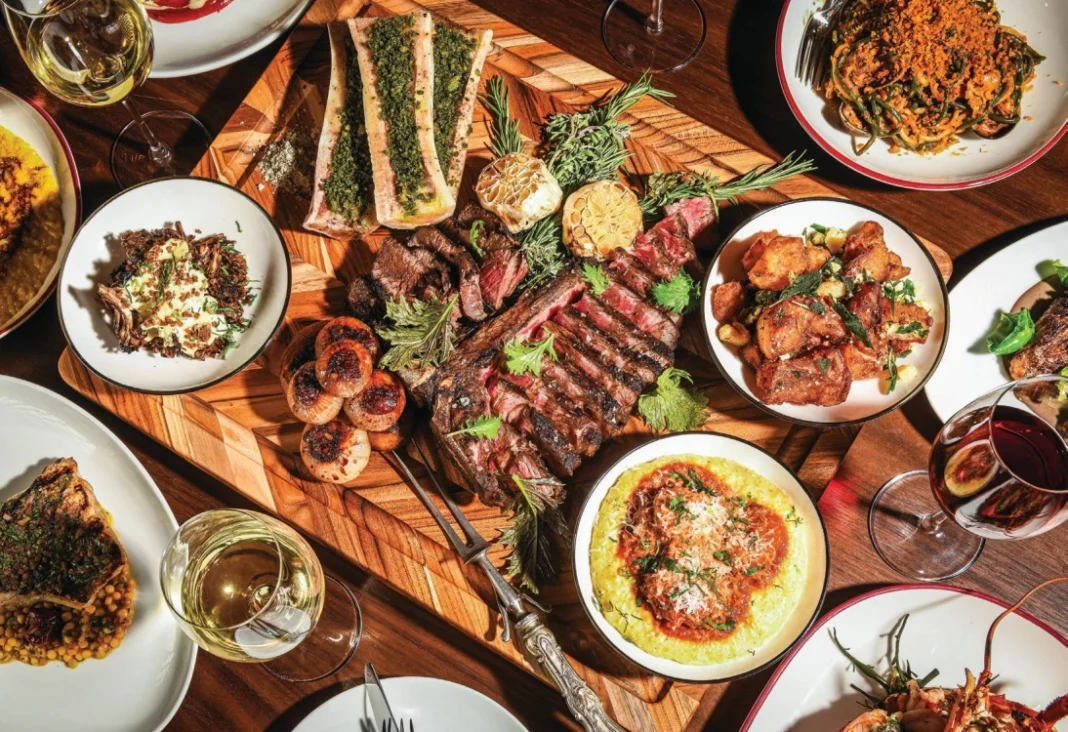

Have you ever walked past a restaurant with gleaming windows, pristine white tablecloths, and a soft, inviting glow inside, wondering what it would be like to eat there? Dining at fancy restaurants is about much more than just filling your stomach. It is an experience designed to delight all your senses, from the moment you step through the door until the final bite of dessert. Whether you are celebrating a big anniversary, planning a romantic proposal, or simply treating yourself to something special, understanding the world of fine dining can make your experience unforgettable.
In this guide, we will explore exactly what defines these upscale establishments, what you should wear, how to navigate the sometimes-confusing world of table etiquette, and where to find the best spots in the United States. We want to take the intimidation out of high-end dining so you can walk in with confidence. Let’s dive into the delicious details of what makes fancy restaurants so unique and why they are worth the splurge.
Key Takeaways
- Experience Over Food: Fine dining prioritizes service, atmosphere, and presentation just as much as the meal itself.
- Preparation is Key: Knowing the dress code and reservation policy prevents awkward moments at the door.
- Etiquette Matters: Simple manners go a long way in making you feel comfortable in upscale settings.
- Diverse Options: From French bistros to modern molecular gastronomy, there is a style of fine dining for everyone.
What Defines Fancy Restaurants?
When we talk about fancy restaurants, we aren’t just talking about high prices. Several distinct elements separate a casual eatery from a fine dining establishment. It is a combination of atmosphere, service, and culinary expertise that creates a cohesive luxury experience.
The Atmosphere and Ambiance
The first thing you notice when entering fancy restaurants is the atmosphere. Everything is curated to create a specific mood. Lighting is usually dimmer and softer to create intimacy. The noise level is controlled; you won’t hear blaring televisions or loud kitchen clatter. Instead, you might hear soft jazz, classical music, or simply the quiet hum of conversation. The decor often features high-quality materials like real wood, leather, velvet, and perhaps artwork that you might see in a gallery. Spacing between tables is generous, ensuring your conversation remains private.
Exceptional Service Standards
Service in fancy restaurants is an art form. The goal is to anticipate your needs before you even realize them yourself. Waitstaff are highly trained professionals who know the menu inside and out. They can explain complex ingredients, recommend wine pairings, and answer questions about allergens with confidence. You shouldn’t have to wave someone down for water; your glass will be refilled silently. Napkins are folded when you stand up, and crumbs are swept away between courses. This level of attentiveness makes guests feel like royalty for the evening.
The Culinary Experience
Of course, the heart of any restaurant is the food. In fancy restaurants, chefs use the highest quality ingredients available. This often means locally sourced produce, prime cuts of meat, and fresh seafood flown in daily. The presentation is meticulous. Plates are composed like paintings, with attention to color, texture, and balance. The portions might be smaller than at a casual diner, but the richness and flavor intensity are significantly higher. This is often where you encounter “tasting menus,” which allow you to try small portions of many different dishes over several hours.
Different Types of Fine Dining Cuisine
Not all fancy restaurants serve the same type of food. The landscape of luxury dining in the US is incredibly diverse, reflecting a melting pot of cultures and modern innovations.
Classic French Fine Dining
For decades, French cuisine was synonymous with “fancy.” These restaurants focus on traditional techniques, rich sauces (like hollandaise and demi-glace), and premium ingredients like truffles, foie gras, and caviar. The service is often very formal, sometimes involving tableside preparations where dishes are finished right in front of you. Think of classics like Duck à l’Orange or Beef Bourguignon, but elevated to a sophisticated level. This is the old-school glamour many people imagine when they think of an upscale night out.
Modern American Upscale
Modern American fancy restaurants have taken the spotlight in recent years. These establishments focus heavily on “farm-to-table” concepts. The menu changes frequently, sometimes daily, depending on what farmers have harvested that morning. The vibe can be slightly more relaxed than traditional French spots, but the quality is just as high. You might find dishes like bison ribeye with wild mushrooms or scallops with sweet corn puree. It celebrates the diverse bounty of American agriculture.
High-End Asian Fusion
Asian fusion has moved far beyond takeout. High-end Japanese (Omakase), Chinese, and Korean restaurants are some of the most exclusive dining spots in major cities. Omakase, for instance, is a chef’s choice meal where you sit at a counter and are served piece by piece. The attention to detail in the rice temperature and the fish quality is obsessive. Upscale Korean BBQ offers wagyu beef cooked at your table by a server, accompanied by artisanal side dishes. These experiences redefine what Asian cuisine can be.
How to Choose the Right Restaurant for Your Occasion
With so many options, picking the right spot among the many fancy restaurants available can be tricky. The “best” restaurant depends entirely on who you are with and what you are celebrating.
Romantic Dates and Anniversaries
If romance is the goal, look for ambiance above all else. You want a place that is quiet enough to talk but has a warm, intimate energy. Look for fancy restaurants with booth seating, candlelight, or a view of the city skyline or water. Italian fine dining is often a great choice for romance because the food is comforting yet elegant. Avoid places that are trendy “hotspots” with loud music if you want to focus on your partner.
Business Meetings and Networking
When booking a business dinner, the priority shifts to consistency and privacy. You need a place where the service is professional and not intrusive. Steakhouses are the classic choice for business meetings in the US. The menu is usually straightforward—steak, potatoes, vegetables—which allows everyone to order quickly and focus on business. Ensure the restaurant has well-spaced tables so your negotiations aren’t overheard by the next table.
Celebrating Milestones with Groups
For a birthday or graduation with a group, you want energy. Some fancy restaurants have private dining rooms, which are perfect for groups. This allows you to be a bit louder and make speeches without disturbing other diners. Look for places with “family style” options or tasting menus so dealing with the bill at the end is easier. Modern American or upscale Mexican restaurants often have a festive atmosphere that works well for celebrations.
Comparison of Dining Styles
|
Occasion |
Best Cuisine Type |
Key Atmosphere Trait |
|---|---|---|
|
First Date |
Modern Bistro |
Relaxed but impressive |
|
20th Anniversary |
French or Italian |
Romantic and quiet |
|
Client Dinner |
Steakhouse |
Professional and spacious |
|
Birthday Bash |
Asian Fusion |
Energetic and shareable |
|
Solo Dining |
Omakase (Sushi) |
Interactive chef experience |
Understanding Dress Codes
Nothing causes anxiety quite like a dress code. Fancy restaurants often have specific rules about what you can wear. Ignoring them can lead to an embarrassing situation where you might be turned away at the door.
Formal vs. Semi-Formal
“Formal” or “Black Tie” is rare these days but still exists at the absolute highest tier of dining. This means a suit and tie or a tuxedo for men, and an elegant evening gown or cocktail dress for women. “Semi-Formal” is much more common. For men, this usually means dress slacks and a button-down shirt, perhaps with a blazer, but a tie isn’t strictly necessary. For women, a nice dress, a skirt and blouse, or dressy trousers are appropriate.
Business Casual Explained
Most modern fancy restaurants operate under a “Business Casual” or “Smart Casual” code. This is a confusing term, but think of it as “date night nice.” You want to look polished. Jeans are sometimes okay if they are dark, clean, and paired with a nice shirt, blazer, and dress shoes. However, t-shirts, shorts, flip-flops, and distressed denim are almost always a no-go. It is always better to be slightly overdressed than underdressed.
What to Avoid Wearing
To ensure you fit in at fancy restaurants, steer clear of athletic wear. Yoga pants, gym shorts, baseball caps, and sneakers are usually frowned upon. Even expensive designer sneakers might be too casual for some traditional spots. Avoid clothing with large logos or slogans. The goal is to blend in with the elegant environment, not to stand out for being too casual.
Navigating the Menu and Wine List
The menus at fancy restaurants can sometimes look like they are written in a different language—and sometimes they are! Don’t let this intimidate you.
Decoding Menu Terms
You might see terms like “sous-vide” (cooked in a water bath), “confit” (cooked slowly in fat), or “foam” (an aerated sauce). Do not be afraid to ask your server. They are trained to explain these terms. If you see “market price” (often written as MP), it means the price fluctuates based on the cost of the ingredient that day (common for lobster and fresh fish). It is perfectly acceptable to ask what the price is before ordering.
A La Carte vs. Prix Fixe
“A la carte” means you order individual dishes separately—appetizer, main, and dessert. You choose exactly what you want. “Prix Fixe” (fixed price) or “Tasting Menu” means you pay a set price for a multi-course meal determined by the chef. This is a great way to experience the chef’s vision without having to make tough choices. However, make sure you mention any allergies immediately, as the kitchen needs to prepare alternatives.
Handling the Wine List
The wine list, or “sommelier’s book,” can be thick and expensive. You are not expected to be a wine expert. A Sommelier (wine steward) is usually available to help. Be honest with them. You can say, “We are having the steak and the duck, and we enjoy dry reds. We’d like to stay around $80.” They will appreciate the guidance and find you something delicious within your budget. You don’t have to spend hundreds of dollars to get a good bottle.
Essential Dining Etiquette
Good manners are the currency of fancy restaurants. They show respect for the staff and the people around you.
Napkin and Utensil Usage
As soon as you sit down, place your napkin on your lap. If you need to leave the table to use the restroom, place the napkin on your chair, not the table. When you are finished eating, place the napkin on the table to the left of your plate. For utensils, work from the outside in. The fork furthest to the left is for your salad or appetizer; the one closest to the plate is for your main course. When you are done eating, place your knife and fork parallel on the plate (usually at the 4 o’clock position) to signal to the waiter that you are finished.
Interacting with Staff
Treat the staff with kindness and respect. Snap your fingers or whistling to get attention is extremely rude. Make eye contact and give a subtle nod or raise your hand slightly if you need something. When they bring food, a simple “thank you” goes a long way. If something is wrong with your meal, tell them politely and discreetly. They want you to have a good time and will usually fix it immediately.
Phone Etiquette
In the age of social media, everyone wants to take photos of their beautiful food. Most fancy restaurants accept this, but be discreet. Turn your flash off—it blinds other diners and ruins the mood. Do not take phone calls at the table. If you must take a call, excuse yourself and go to the lobby or outside. Keep your phone off the table; placing it on the white tablecloth distracts from the experience.
Reservations and Cancellations
Getting a table at top-tier fancy restaurants can be a competitive sport.
Planning Ahead
For the most popular spots, you may need to book weeks or even months in advance. Many restaurants release reservations on a specific day of the month. Set a reminder on your phone if there is a specific date you need. Apps like Resy and OpenTable are standard for booking.
Cancellation Policies
Be aware that many high-end places take a credit card number to hold the reservation. If you don’t show up or cancel last minute (usually less than 24 or 48 hours), you might be charged a “cancellation fee,” which can be $50 to $100 per person. If you can’t make it, call as soon as possible. Sometimes, if they can fill the table, they will waive the fee.
Top Cities for Fancy Restaurants in the US
The United States is home to some of the world’s most exciting culinary destinations.
New York City, NY
New York is the undisputed heavyweight champion of fancy restaurants in America. From the historic grandeur of Midtown French restaurants to the innovative chefs in Brooklyn, the variety is endless. It holds the highest concentration of Michelin-starred restaurants in the country.
San Francisco & Napa Valley, CA
Northern California is famous for its access to incredible produce. San Francisco offers stunning seafood and Asian-inspired fine dining. Just a short drive north, Napa Valley is home to some of the most famous restaurants in the world, where the dining experience is inextricably linked with world-class wine.
Chicago, IL
Chicago is known for its bold, experimental dining scene. It is a hub for molecular gastronomy and avant-garde cooking. However, it also boasts incredible steakhouses that pay homage to the city’s history as a meatpacking center. The hospitality in Chicago is often noted as being particularly warm and welcoming.
Las Vegas, NV
Vegas has transformed from a buffet town to a luxury dining capital. Famous chefs from all over the world open outposts here. You can find incredible fancy restaurants inside the major casinos and resorts, offering everything from Robuchon-style French cuisine to high-end Italian.
The Cost of Luxury Dining
It is important to budget realistically for fancy restaurants.
Hidden Costs
The price on the menu is not the final price. You need to account for tax, which varies by state. You might also see a “kitchen appreciation fee” or “wellness charge” of 3-5% on the bill. Water can also be a cost—if you ask for sparkling or bottled still water, it will show up on the bill. Tap water is free and perfectly fine to order.
Tipping Guidelines
In the US, tipping is essential. For fine dining service, the standard is 20% to 25% of the pre-tax bill. The service required in these establishments is demanding, and the staff relies on tips. If you order an expensive bottle of wine, it is customary to tip on that as well, though some people tip a slightly lower percentage on the wine portion if the bottle is significantly pricey (over $200).
Why Is It Worth It?
With the high cost and strict rules, you might wonder why people bother with fancy restaurants.
Creating Memories
We don’t go to these places just to get full. We go to mark the passage of time. A graduation dinner, an engagement, or a 50th birthday dinner at a luxury restaurant becomes a core memory. The sensory details—the taste of the truffle, the feel of the crystal glass—help anchor those memories.
Culinary Art
For food lovers, eating at a top restaurant is like visiting a museum. You are witnessing the pinnacle of what can be done with food. It is an intellectual and sensory appreciation of skill, creativity, and tradition.
Tips for Dining with Dietary Restrictions
Modern fancy restaurants are generally excellent at handling dietary needs.
Communicating Allergies
The key is communication. When you make the reservation, note your allergies (gluten, nuts, shellfish, dairy, etc.). Remind the server again when you sit down. High-end kitchens take this very seriously to avoid liability and ensure guest safety.
Vegetarian and Vegan Options
Many top restaurants now offer dedicated vegetarian or vegan tasting menus. Chefs enjoy the challenge of making vegetables the star of the plate. You no longer have to settle for a side salad while your companions eat steak.
Making the Most of Your Experience
To truly enjoy fancy restaurants, you need to be present.
Pace Yourself
Fine dining is a marathon, not a sprint. Meals can last 2 to 4 hours. Eat slowly. Savor each bite. If you are drinking wine, drink water in between glasses to stay refreshed.
Ask Questions
Engage with the staff. Ask the sommelier for the story behind the wine. Ask the server how the sauce was made. This interaction enriches the experience and helps you learn.
Relax and Enjoy
Once you have navigated the dress code and the reservation, let go of the stress. You are there to be taken care of. Trust the staff and enjoy the company of the people you are with.
For more insights on lifestyle and luxury trends in the UK and beyond, you can visit https://britishnewz.co.uk/ to stay updated.
Frequently Asked Questions (FAQ)
Q: Do I always need a reservation for fancy restaurants?
A: Yes, it is highly recommended. While some places might have bar seating for walk-ins, dining rooms are usually booked in advance.
Q: Can I bring children to fancy restaurants?
A: It depends on the restaurant. Some are family-friendly, but many ultra-fine dining spots have age restrictions or do not provide high chairs. It is best to call and ask or check their website.
Q: Is it rude to not finish my food?
A: Not at all. Portions can be rich. It is better to stop when you are full. However, asking for a “doggy bag” or leftovers box is sometimes frowned upon at the very highest end of dining (like tasting menus), but perfectly acceptable at high-end steakhouses.
Q: How much should I budget per person?
A: For a true fine dining experience in a major US city, budget between $100 to $300+ per person, including drinks, tax, and tip.
Q: What if I don’t drink alcohol?
A: Most fancy restaurants have excellent “mocktail” programs or non-alcoholic pairings using teas and juices that match the complexity of the food.
Conclusion
Dining at fancy restaurants is a special adventure. It is a chance to step out of your daily routine and immerse yourself in a world of elegance and flavor. By understanding the etiquette, dressing the part, and knowing what to expect, you can replace anxiety with anticipation. Whether you are in New York, Chicago, or a hidden gem in your local town, these establishments offer a unique window into the artistry of food and hospitality.
Remember, the staff is there to guide you. Be polite, be curious, and most importantly, be hungry. The next time you have a reason to celebrate, don’t hesitate to book that table. The memories you create over an exquisite meal will last far longer than the flavor on your tongue. For further reading on the history and types of restaurants, you can check out this resource from Wikipedia.