
Anyone who has taken a road trip across the Southern United States knows the familiar sight of that yellow sign. It glows like a beacon in the night, promising hot coffee and scattered hashbrowns. Waffle House Inc. is more than just a restaurant chain; it is a cultural icon. It represents comfort food, late-night conversations, and a place where everyone is welcome, no matter the hour.
In this deep dive, we are going to explore everything you need to know about this fascinating company. From its humble beginnings in Georgia to its unique method of handling hurricanes, Waffle House Inc. has a story worth telling. Whether you are a regular who orders the “All-Star Special” or someone who has never stepped foot inside, there is plenty to learn about this diner empire.
Key Takeaways
- Waffle House Inc. was founded in 1955 in Avondale Estates, Georgia.
- They are famous for being open 24 hours a day, 365 days a year.
- The “Waffle House Index” is a real metric used by FEMA to gauge disaster severity.
- The menu features classic American diner food, with a special focus on breakfast.
- The company is employee-owned and privately held, not traded on the stock market.
The Origins of Waffle House Inc.
Every giant company starts with a small idea, and Waffle House Inc. is no exception. It began with two neighbors, Joe Rogers Sr. and Tom Forkner. They lived in Avondale Estates, Georgia, a suburb of Atlanta. Joe worked in the restaurant business, specifically for a chain called Toddle House, while Tom was in real estate. They both shared a vision for a restaurant that focused on people just as much as it focused on food.
Their goal was simple but revolutionary for the time. They wanted to create a sit-down restaurant that combined the speed of fast food with the table service of a supper club. They opened the very first location on Labor Day weekend in 1955. It wasn’t just about selling waffles; it was about creating a community hub. The founders believed that if you took care of the customer and made them feel at home, success would follow. This philosophy remains the backbone of the company today.
Over the decades, the brand expanded slowly but surely. Unlike many modern franchises that explode overnight, Waffle House Inc. grew steadily. They built new locations along highways and in neighborhoods, becoming a staple of Southern culture. Today, there are over 1,900 locations across 25 states. Despite this massive growth, the company has managed to keep that small-town, friendly diner feel that Joe and Tom envisioned back in the 1950s.
The Founders’ Vision
Joe Rogers Sr. and Tom Forkner were not just business partners; they were friends who understood the value of customer service. Rogers famously said, “We aren’t in the food business. We are in the people business.” This quote is still recited by employees and managers within Waffle House Inc. today. They didn’t want a place where people just ate and left. They wanted a place where the waitress knew your name and how you liked your eggs.
This vision influenced the design of the restaurants as well. The classic “shoebox” design, with the open kitchen and the row of stools, was intentional. It allowed customers to see their food being cooked, creating a sense of trust and entertainment. It also encouraged interaction between the staff and the customers. You aren’t hidden away in a dark booth; you are part of the action. This transparency is a huge part of why the brand feels so trustworthy and familiar to millions of Americans.
Why Waffle House Inc. is Always Open
One of the most defining characteristics of Waffle House Inc. is its commitment to being open. The signs famously say “Open 24 Hours,” and they mean it. Holidays, weekends, late nights—the doors are unlocked. This 24/7/365 philosophy has made the restaurant a haven for shift workers, truck drivers, college students pulling all-nighters, and families on early morning road trips.
The decision to never close was made early in the company’s history. The founders realized that people get hungry at all hours of the day. By staying open, they could serve a market that other restaurants were ignoring. While other diners might close at 9:00 PM or take Christmas Day off, Waffle House Inc. stays running. This reliability builds intense customer loyalty. You never have to Google whether your local Waffle House is open; you just know it is.
This policy does require immense logistical coordination. It means having staff willing to work unconventional hours and a supply chain that never sleeps. The managers often work long shifts to ensure coverage. It is a demanding business model, but it is one that has paid off handsomely. It has turned the brand into a symbol of consistency in an ever-changing world. When everything else is closed, the yellow sign is still on.
A Haven for Night Owls
The late-night crowd at Waffle House Inc. is a culture all its own. If you visit a location at 2:00 AM, you will see a diverse mix of humanity. There might be a group of friends leaving a concert, a weary nurse finishing a night shift, or a police officer taking a coffee break. The atmosphere is often lively and unique compared to the morning breakfast rush.
This availability creates a sense of safety and community. In many small towns, the local Waffle House is the only place with lights on in the middle of the night. It acts as a gathering spot where the coffee is always hot. The staff who work these “third shifts” often become legends in their own right, knowing the regular orders of the night owls who frequent their counters. It is a symbiotic relationship between the restaurant and the community it serves.
The Famous Waffle House Index
You might be surprised to learn that Waffle House Inc. is used as a legitimate tool for disaster assessment. This is known as the “Waffle House Index.” The term was coined by Craig Fugate, a former administrator of the Federal Emergency Management Agency (FEMA). Because the chain is so robust and prepared for emergencies, their operating status tells officials how bad a storm really is.
The index has three levels, modeled after traffic lights:
- Green: The restaurant is serving a full menu. Power is on, and damage is minimal.
- Yellow: The restaurant is serving a limited menu. Power might be out (running on generators), or food supplies are low.
- Red: The restaurant is closed. This indicates severe damage or unsafe conditions.
When a Waffle House closes, FEMA knows the situation is catastrophic. The company prides itself on staying open during hurricanes, snowstorms, and floods. They have “jump teams” of managers and staff from other regions who travel to disaster zones to keep the restaurants running so the local employees can focus on their families and homes.
Disaster Preparedness Like No Other
Waffle House Inc. takes disaster prep incredibly seriously. They have their own storm center that monitors weather patterns. Before a hurricane hits, they are already moving supplies like water, generators, and food to the areas likely to be affected. They don’t wait for the storm to pass; they prepare to operate through it.
This isn’t just about making money; it’s about serving the community when it needs hot food the most. After a disaster, finding a hot meal can be nearly impossible. By reopening quickly, Waffle House Inc. provides a sense of normalcy and comfort to people who may have lost power or suffered damage to their homes. It allows first responders to get fed and residents to gather and share information. This capability is a core part of the company’s identity and operational excellence.
Decoding the Menu at Waffle House Inc.
The menu at Waffle House Inc. is a masterpiece of American diner cuisine. It hasn’t changed drastically over the years, which is exactly how the customers like it. While the waffles are the namesake item, the menu covers breakfast, lunch, and dinner. However, breakfast is the star of the show and is available 24 hours a day.
The layout of the menu is designed to be simple but offers thousands of combinations. You have your eggs, your meats (bacon, sausage, city ham, country ham), toast, and, of course, the hashbrowns. There are also burgers, melts, and steaks for those wanting a lunch or dinner vibe. The food is cooked on a flat-top grill right in front of you, so you know it’s fresh. The sounds of the spatula scraping the grill and the smell of frying bacon are part of the sensory experience.
The Hashbrown Vernacular
Ordering hashbrowns at Waffle House Inc. is like speaking a secret language. You can’t just ask for potatoes; you have to tell the cook exactly how you want them. The menu lists several ways to have your hashbrowns prepared, and regular customers rattle these off with impressive speed.
Here is a breakdown of the hashbrown lingo:
- Scattered: Spread out on the grill to get crispy.
- Smothered: With sautéed onions.
- Covered: With melted cheese.
- Chunked: With pieces of ham.
- Diced: With grilled tomatoes.
- Peppered: With jalapeño peppers.
- Capped: With grilled mushrooms.
- Topped: With chili.
- Country: With sausage gravy.
You can combine these in any way you like. Ordering “Scattered, Smothered, and Covered” is perhaps the most popular combination. It’s a fun, interactive way to customize your meal that sets the chain apart from other fast-casual spots.
The Waffle House Music Culture
Did you know Waffle House Inc. has its own record label? It’s true! Waffle Records was established in the 1980s. The founders wanted to ensure the jukeboxes in their restaurants played music that fit the vibe of the diner. They decided to produce their own songs specifically about the Waffle House experience.
These songs cover topics like hashbrowns, the friendly staff, and the famous coffee. They aren’t just silly jingles; many are genuinely catchy country, bluegrass, and gospel tunes. Songs like “Waffle House Steaks” and “There are Raisins in My Toast” have become cult classics among die-hard fans. You can find these tracks on the jukeboxes in every location, usually listed as the first few options.
The Jukebox Experience
The jukebox is the heartbeat of a Waffle House Inc. location. Music plays a huge role in setting the atmosphere. In addition to the original Waffle Records songs, the machines are stocked with popular hits ranging from classic rock to modern pop and R&B. It allows the customers to influence the mood of the restaurant.
Sometimes, the staff might even sing along. It’s not uncommon to hear a cook humming a tune while flipping eggs or a server dancing slightly as they refill coffee cups. This musical element adds to the “friendly” tone the company strives for. It breaks the silence and makes the space feel alive. If you visit, dropping a few quarters in the jukebox is a rite of passage.
Training and Employment at Waffle House Inc.
Working at Waffle House Inc. is fast-paced and demanding. The company is known for its rigorous training programs, especially for its management. The company philosophy is that everyone starts at the bottom. Most of the upper management, including executives, started their careers working in the restaurants.
For grill operators (the cooks), there is a certification system. They start as a “Grill Operator” and can work their way up to “Master Grill Operator” and eventually “Rock Star Grill Operator.” The tests to advance involve speed, accuracy, and food quality. A “Rock Star” cook is a sight to behold—handling dozens of orders simultaneously without writing anything down, using a system of condiments placed on plates (the “marking system”) to remember exactly what goes where.
The Marking System
One of the most fascinating operational secrets of Waffle House Inc. is the marking system. If you watch the cooks, you’ll notice they don’t look at ticket screens like in a McDonald’s. Instead, the servers call out the orders, and the cooks place jelly packets, pickles, or hashbrown pieces on different parts of the plate.
A jelly packet at the bottom of the plate might mean scrambled eggs, while a packet at the top might mean sunny-side up. A pickle on the left might indicate a side of bacon. This visual code allows the cook to look at a row of plates and know instantly what food needs to go on them. It is a brilliant, low-tech solution that allows for incredible speed and efficiency during the busiest shifts.
Waffle House Inc. vs. The Competition
The dining landscape in the United States is crowded. Waffle House Inc. competes with other breakfast chains like IHOP and Denny’s, as well as fast-food giants like McDonald’s. However, Waffle House occupies a unique niche that separates it from these competitors.
Comparison Table: Waffle House vs. Competitors
|
Feature |
Waffle House Inc. |
IHOP |
Denny’s |
Fast Food (McDonald’s) |
|---|---|---|---|---|
|
Hours |
Always 24/7 |
Varies by location |
Mostly 24/7 |
Varies |
|
Kitchen Style |
Open Kitchen (Watch them cook) |
Closed Kitchen |
Closed Kitchen |
Assembly Line |
|
Service Style |
Counter/Table Service |
Table Service |
Table Service |
Counter/Drive-Thru |
|
Menu Focus |
Simple Comfort Food |
Pancakes/Sweet Breakfast |
Diverse Diner Menu |
Grab-and-Go |
|
Speed |
Very Fast |
Moderate |
Moderate |
Very Fast |
|
Atmosphere |
Casual/Social |
Family Dining |
Family Dining |
Transactional |
As the table shows, Waffle House Inc. blends the speed of fast food with the personal service of a sit-down restaurant. The open kitchen is a key differentiator. At IHOP or Denny’s, your food disappears into a back room and reappears later. At Waffle House, you are part of the process.
Community Involvement and Charity
Beyond serving food, Waffle House Inc. is deeply involved in the communities where they operate. Because they are often located in small towns or tight-knit neighborhoods, the local restaurant becomes a community center. Managers are encouraged to get involved with local schools and organizations.
The Waffle House Foundation helps support various health and human service organizations. They also focus on education and youth development. While they don’t always advertise their charity work loudly, the impact is felt locally. Whether it’s sponsoring a little league team or providing food for a local event, the brand tries to give back to the people who keep them in business.
Supporting Veterans
The company has a strong history of supporting veterans and active-duty military. Many locations offer discounts to military personnel. Furthermore, the operational discipline of Waffle House Inc. appeals to veterans looking for work. The structure, the clear chain of command, and the high-pressure environment of the grill line are often good fits for those transitioning out of military service.
On Veterans Day, it is common to see local franchises doing something special to honor those who served. This aligns with the company’s patriotic and traditional values. It resonates with their customer base, many of whom are veterans themselves.
Economic Impact and Business Model
Waffle House Inc. is a financial powerhouse, though exact figures are kept private because it is not a publicly traded company. It is employee-owned, which means associates have a stake in the company’s success. This stock ownership plan allows long-term employees to build significant wealth over time, something rare in the food service industry.
The business model relies on high turnover (of tables, not staff!) and efficiency. The menu items have high profit margins—potatoes, flour, and eggs are relatively cheap ingredients. By selling a high volume of these items 24 hours a day, the revenue adds up. The small footprint of the buildings also keeps real estate and utility costs lower than massive restaurants like Cheesecake Factory.
Why They Don’t Franchise (Much)
While there are franchise locations, Waffle House Inc. owns and operates the majority of its restaurants directly. This corporate control is crucial for maintaining quality. When you franchise too aggressively, you risk losing control over the customer experience. By keeping most stores corporate, they ensure that the “Waffle House Way” is followed strictly.
This control allows them to implement changes quickly, manage the supply chain effectively, and ensure that the disaster response protocols (like the Waffle House Index) are executed flawlessly. It is a tighter, more disciplined ship than many of its competitors who rely heavily on franchise fees.
Interesting Facts About Waffle House Inc.
Even if you think you know everything about the brand, there are always some fun facts that fly under the radar. Here are a few tidbits about Waffle House Inc. that might surprise you.
- Valentine’s Day Tradition: Many locations offer a romantic, candlelit dinner on Valentine’s Day. It requires a reservation and features white tablecloths!
- Massive Egg Usage: The company serves roughly 2% of all the eggs produced in the United States. That is millions of eggs every single day.
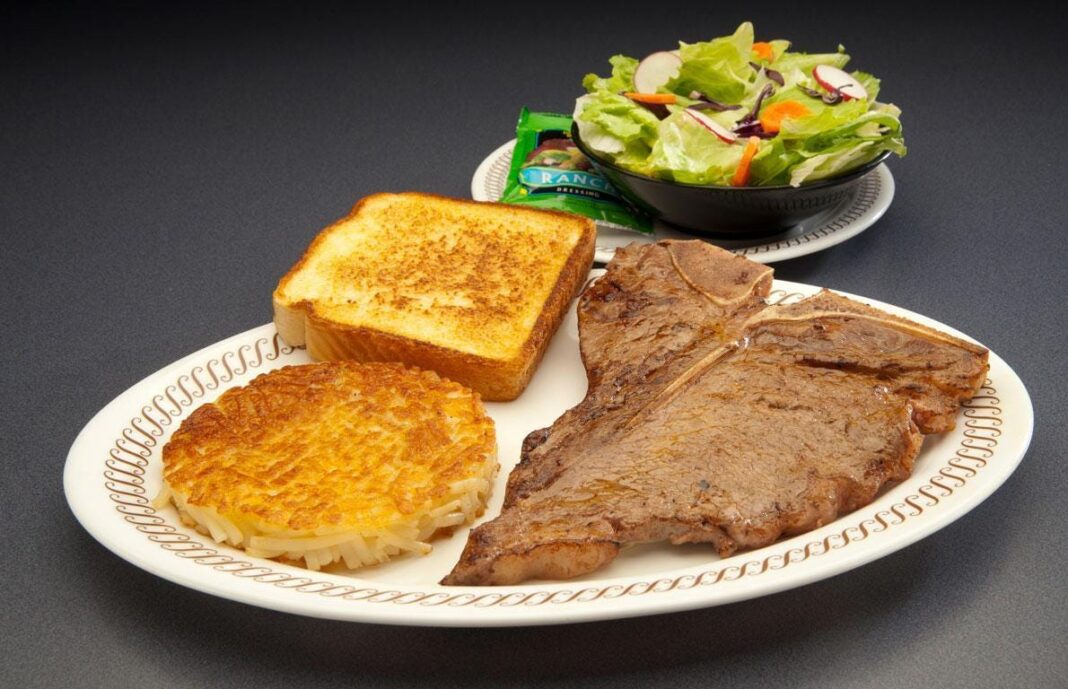
- T-Bone Steaks: They are the world’s leading server of T-bone steaks. While known for waffles, their steak game is serious.
- The Yellow Sign: The yellow blocks used in the Waffle House sign are intended to look like a waffle grid.
These quirks add to the charm of the brand. It doesn’t take itself too seriously, yet it takes its food and service very seriously.
Nutritional Options: Eating Healthy?
Let’s be honest: most people do not go to Waffle House Inc. to count calories. They go for the comfort food. However, in recent years, there has been a push for more transparency regarding nutrition. The menu is heavy on carbohydrates, fats, and sodium, which makes it delicious but perhaps not a daily health food staple.
That said, it is possible to eat relatively healthy there. Because everything is cooked to order, you can ask for adjustments.
- Protein First: You can order eggs and grilled chicken breasts for a high-protein meal.
- Hold the Oil: You can ask for your eggs or meat to be cooked with less oil or butter.
- Portion Control: The portions at Waffle House are actually more reasonable than many other American chains that serve massive platters.
For those with dietary restrictions, the staff is usually very accommodating. Just remember that cross-contamination is possible since everything cooks on the same grill, so those with severe allergies need to be careful.
The Future of Waffle House Inc.
What does the future hold for Waffle House Inc.? In a world of delivery apps and ghost kitchens, this brand sticks to its guns. They believe in the physical experience of dining out. While they offer takeout, the magic happens at the counter.
The company continues to expand, moving slowly into new territories. However, they are careful not to grow too fast. They want to ensure they have the trained managers to run the new stores. As technology changes, Waffle House stays remarkably analog. They don’t use fancy digital ordering kiosks. They prefer the human connection. This stubborn adherence to tradition is their greatest strength. In a digital world, people crave real interaction, and that is what they sell.
Adapting to a New Generation
While they stick to tradition, Waffle House Inc. is finding fans among Gen Z and younger millennials. The retro aesthetic, the late-night vibes, and the affordability appeal to younger crowds. Social media platforms like TikTok are full of videos celebrating the unique culture of the restaurant.
This organic marketing keeps the brand relevant without them having to try too hard. As long as people need a place to go at 3 AM for good food and a friendly face, the yellow sign will keep glowing.
Customer Stories: The Cult Following
The loyalty of Waffle House Inc. customers is legendary. There are people who have eaten breakfast there every day for decades. There are couples who got engaged in a booth. There are stories of staff members attending the weddings or funerals of their regular customers.
This emotional connection is what business schools try to teach, but it can’t be manufactured. It comes from decades of consistency. When you walk in, the smell is the same, the greeting is the same, and the food tastes the same as it did twenty years ago. For news on UK culture which shares a love for hearty breakfasts, you can check out https://britishnewz.co.uk/. That familiarity is a comfort blanket for millions of people.
How to Find a Waffle House Inc. Near You
Finding a location is usually as easy as driving toward the highway exit. They are strategically placed for maximum visibility. However, they also have a website and an app that can help you locate the nearest one.
Because they are primarily in the South and Midwest, those on the West Coast or in the Northeast often view visiting Waffle House Inc. as a tourist activity. It is a bucket-list item for many travelers visiting the South.
Conclusion
Waffle House Inc. is a true American success story. It represents the best of the diner tradition: hot food, low prices, and a welcoming atmosphere. From the “Waffle House Index” that guides disaster relief to the unique lingo of the hashbrowns, it is a company with a rich and colorful culture.
Whether you are seeking shelter from a storm, a meal after a night out, or just a good cup of coffee on a Tuesday morning, the doors are open. The legacy of Joe Rogers Sr. and Tom Forkner lives on in every plate of scattered, smothered, and covered hashbrowns served. It remains a place where “Good Food Fast” isn’t just a slogan; it’s a promise kept millions of times a day.
For more information on general topics, you can always visit https://www.wikipedia.org/ to search for Waffle House Inc. and learn even more about this iconic brand.
Frequently Asked Questions (FAQ)
Q: Is Waffle House Inc. really open every single day?
A: Yes! They operate 24 hours a day, 365 days a year, including all major holidays like Christmas and Thanksgiving.
Q: What is the most popular item on the menu?
A: The “All-Star Special” is likely the most popular combo, but the hashbrowns are the most iconic side item.
Q: Can I buy stock in Waffle House Inc.?
A: No, the company is privately held and employee-owned. It does not trade on the public stock market.
Q: What does “scattered, smothered, and covered” mean?
A: It refers to hashbrowns that are spread on the grill (scattered), cooked with onions (smothered), and topped with cheese (covered).
Q: Where was the first Waffle House located?
A: The first restaurant opened in Avondale Estates, Georgia, in 1955. That location is now a museum.